

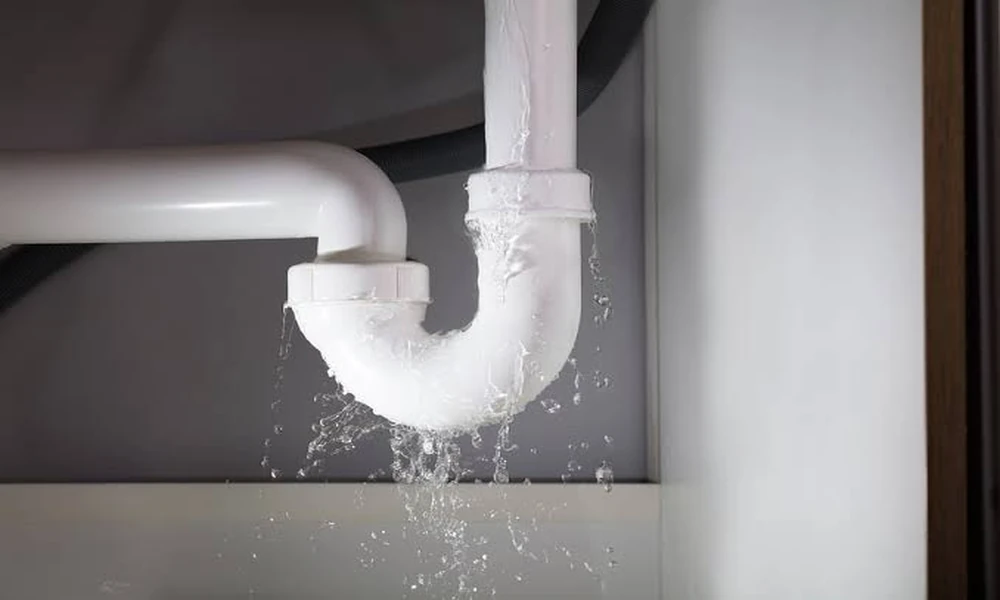
A water leakage specialist Singapore homeowners and building managers call on is dealing with one of the most consistently frustrating problems in tropical construction. Water finds its way into buildings through paths that are rarely obvious from the point where the damage appears. A ceiling stain in the bedroom may originate from a joint in a pipe two floors above. A damp wall in the living room may be caused by a failure in the external waterproofing membrane at roof level, with water tracking down through the building structure before making itself visible. The specialist’s job is to trace the path accurately before anything is repaired.
Why Accurate Diagnosis Matters
The most expensive water leakage repairs in Singapore are not the ones with large visible damage. They are the ones that are repaired wrongly. A contractor who patches the visible damp without identifying the actual source will produce a repair that holds for a few months before the water returns through the same path or a slightly different one. The owner pays twice – or three times – before the underlying problem is actually addressed.
Accurate diagnosis requires a combination of experience, observation, and in some cases specialised equipment. An experienced water leakage specialist can often identify the probable source of an infiltration from the pattern and timing of the damp: whether it appears only after heavy rain or continuously, whether it tracks along a specific structural element, whether the affected area is below a roof, a planter, a bathroom, or an external wall. These patterns carry information that narrows the field of possibilities before any investigation equipment is deployed.
Detection Methods Used by Specialists
Water leakage detection in Singapore has evolved considerably with the availability of non-destructive testing equipment. Modern water leakage specialist Singapore firms typically use a combination of methods depending on the nature of the suspected infiltration.
- Thermal imaging – infrared cameras detect temperature differences in surfaces that indicate moisture, allowing the spread of water within a wall or ceiling to be mapped without opening up the structure
- Moisture meters – contact instruments that measure the moisture content of surfaces, useful for confirming and quantifying areas of dampness identified by other means
- Flood testing – isolating sections of roofing, waterproofing, or drainage and introducing controlled water to identify the specific path of infiltration
- Tracer dye testing – introducing coloured dye into drain lines or water features to determine whether a suspected leak is originating from that source
- Endoscopic inspection – inserting a small camera into wall cavities or drain lines to inspect conditions without major demolition
The selection of detection method depends on the nature of the suspected leak, the construction type, and the level of access available. A competent specialist will explain their diagnostic approach before beginning and will adjust it based on what they find.
Common Sources of Water Leakage in Singapore Buildings
Singapore’s building stock presents several common leakage scenarios, each with its own characteristic pattern and appropriate remediation.
Flat roof and podium deck leakage accounts for a significant proportion of water infiltration in both residential and commercial buildings. The waterproofing membranes on these surfaces degrade over time, particularly at lap joints, penetrations, and areas subject to foot traffic. Heavy rainfall events accelerate deterioration in damaged areas.
Bathroom and wet area leakage is another frequent issue, particularly in older residential properties where the original waterproofing has reached the end of its service life. Waterproofing failures around floor waste drains and at the junction between floor and wall tiles are common entry points.
External wall leakage occurs when the external paint system or rendering cracks, allowing rainwater to penetrate the wall substrate. “Our buildings face some of the most challenging weather conditions in the world,” said Desmond Lee, Minister for National Development. “Regular inspection and maintenance of external envelope elements is essential to prevent deterioration.”
The Repair Process
Once the source of a water leakage has been accurately identified, the repair approach depends on the construction type and the nature of the failure. For waterproofing failures, repair typically involves either patching the specific area of failure or, if the membrane has degraded more broadly, replacing the entire waterproofing system.
A reliable water leakage repair specialist will not proceed with repairs before the diagnosis is complete and agreed with the owner. The scope of repair work should be proportionate to the scope of the identified failure – not so limited that it leaves adjacent areas at risk, and not so extensive that it demolishes elements that are still performing adequately.
Choosing a Water Leakage Specialist in Singapore
The quality of water leakage specialists in Singapore varies considerably. The indicators of a competent specialist include a systematic diagnostic approach, the use of appropriate detection equipment, clear written reporting of findings before any repair work commences, and a warranty that covers the repaired area for a meaningful period after completion.
Ask any prospective water leakage specialist Singapore firm whether they will provide a written diagnosis report before proposing repair options. A firm that moves immediately to proposing repairs without a thorough diagnostic phase is more interested in the repair contract than in actually solving the problem. The right specialist solves the problem first, then proposes the repair.