

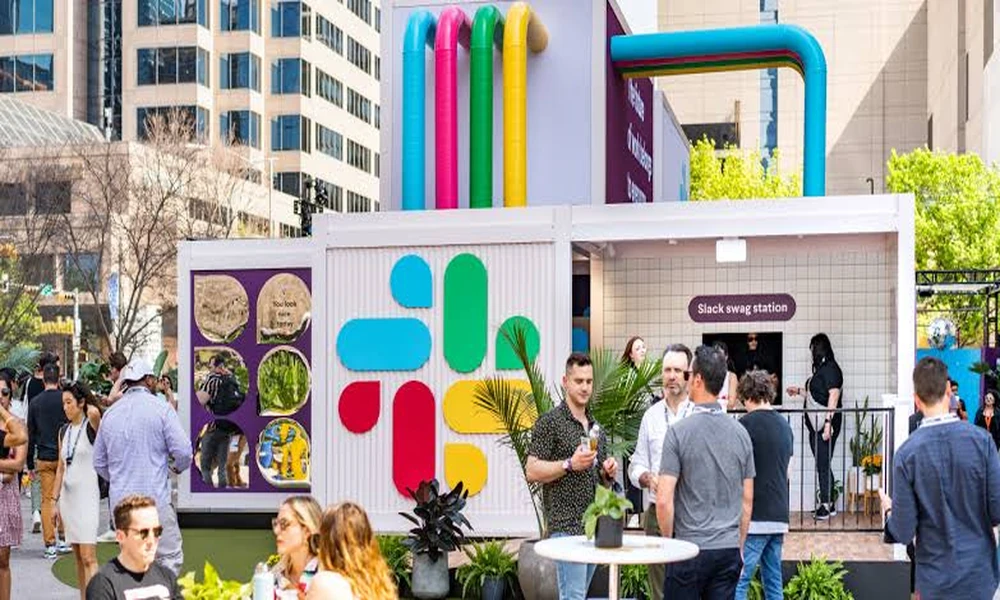
Brand activation gets treated as a category of tactic, a pop-up, a sampling station, a social media wall, when it’s more usefully understood as a goal: getting a customer to interact directly with a brand rather than simply observe an advertisement. Judged against that goal, some of the most common activation tactics turn out to generate far weaker interaction than their popularity would suggest.
Sampling Stations Versus Genuine Product Trial
A sampling station that hands out a product sample in passing generates brief, low-memory interactions, while a setup that lets a customer actually use or experience the product in a realistic context generates a meaningfully stronger impression. The difference in setup complexity between the two is often smaller than the difference in the interaction quality they produce, which makes the trial-based version worth the extra planning.
Designing Activations Around a Specific Customer Question
An activation built to answer a specific question a customer actually has, rather than simply to showcase the brand generally, gives staff a natural reason to engage and gives customers a clear reason to stay. Starting activation design from a genuine customer question, rather than from a list of available tactics, tends to produce a more focused and effective result than working backward from a trend.
Social Media Integration Without Making It the Whole Point
Activations designed purely to generate a shareable photo can feel hollow to the customer actually standing in the space, even if they still take the photo, since the interaction was designed for an audience elsewhere rather than for them. Building social sharing as a natural byproduct of a genuinely engaging interaction, rather than as the primary goal, tends to produce content that reads as authentic rather than staged for the camera.
Timing Activations to Match Natural Customer Dwell Points
An activation placed where customers are already pausing naturally, waiting in a queue, browsing a specific category, performs better than one requiring customers to seek it out deliberately. Mapping where dwell time already exists within a space, rather than choosing an activation location purely on visual prominence, produces meaningfully higher participation rates for the same setup cost.
Staff Training That Actually Supports the Activation
An activation concept can be well designed and still underperform if staff aren’t genuinely comfortable running it, defaulting instead to a scripted, low-energy delivery that undercuts the interaction. Investing in proper staff rehearsal before launch, not just a written brief, matters as much as the physical design, whether the setting is a retail activation or a full exhibition booth design Singapore brands might run at a larger show.
Sequencing Multiple Activation Elements Within One Space
Running several activation elements simultaneously in one space can fragment customer attention across all of them rather than delivering a strong experience with any single one. Sequencing elements, so a customer moves through one meaningful interaction before encountering the next, tends to produce stronger recall than presenting everything at once and hoping something lands.
Activations That Work Across Different Customer Segments
An activation designed with a single customer persona in mind can alienate other segments encountering the same space, particularly in a high-traffic public setting with a genuinely mixed audience. Testing an activation concept against more than one likely customer profile before launch catches segment-specific problems that a single-persona design process would miss.
Budgeting for the Follow-Through, Not Just the Moment
An activation that generates a strong in-the-moment interaction but has no mechanism for follow-up, a way to capture interest, offer a next step, loses much of its commercial value once the customer walks away. Budgeting specifically for follow-through, not just the activation moment itself, is what converts a memorable interaction into an actual business outcome.
Learning From What Didn’t Work, Not Just What Did
Activation debriefs tend to focus on what generated the most traffic or the best photos, while quieter but genuinely useful signals, which elements customers actively avoided, where interactions stalled, get less attention despite being more useful for improving the next activation. Deliberately reviewing what didn’t work, not just celebrating what did, produces faster improvement across successive activations.
Planning Activations Around the Practical Setup Constraints
An ambitious activation concept can collapse against practical setup realities, power access, floor load limits, breakdown time, that weren’t considered during the creative planning stage. Involving whoever handles physical setup, the same discipline behind exhibition booth setup Singapore teams rely on for larger stands, early in activation planning rather than after the concept is finalised avoids a strong idea being cut down late for entirely avoidable reasons.