

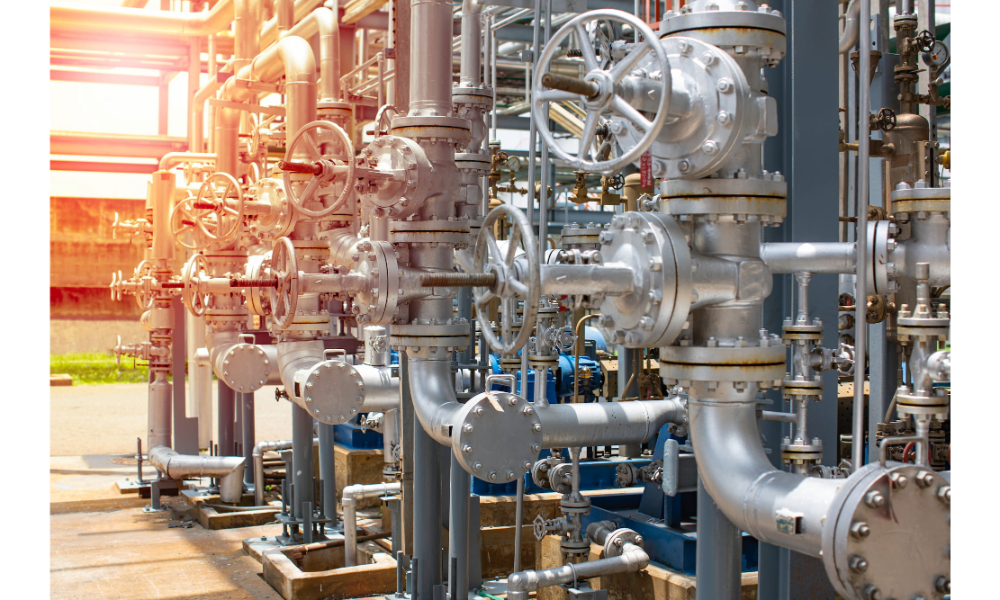
The oil and gas industry continues to look for smarter, faster, and more cost-effective ways to handle natural gas. One approach that has gained a lot of attention is modular gas processing. Unlike traditional plants that are built completely on-site, modular plants are designed in sections or modules at a factory and then transported to the location for assembly.
This method is becoming very popular because it solves many challenges that companies face when working in remote areas or when they want to reduce costs and risks. Understanding the benefits of modular gas processing helps explain why more companies are choosing this modern solution.
Faster Project Delivery
One of the biggest advantages of modular gas processing is speed. Traditional plants often take years to complete because every stage of construction must happen on-site. In contrast, modular plants are built in controlled factory settings where weather delays and other disruptions are much less likely to occur.
At the same time, the site preparation and module construction can happen together, which cuts down on the overall project timeline. This faster delivery means companies can begin operations earlier and start generating revenue much sooner than with traditional methods.
Lower Construction Costs
Cost is always a critical factor in gas processing projects, and modular systems help reduce spending. When modules are built in a factory, materials are purchased in bulk, labor is more efficient, and waste is minimized.
These savings directly lower the cost of construction compared to building everything at the site. Also, modular plants require fewer workers in remote or difficult environments, which helps avoid high labor costs and the expense of keeping workers in isolated areas.
Improved Quality and Safety
Quality and safety are two areas where modular gas processing provides major improvements. In traditional site construction, workers face unpredictable conditions, which can sometimes affect the quality of work and increase the risk of accidents.
Factory-based module construction allows for strict quality control, advanced testing, and safer working conditions. Each module is inspected carefully before shipping, so companies can feel confident that the equipment will perform well.
Flexibility and Scalability
Another important benefit of modular gas processing is flexibility. Companies can design plants that fit the exact needs of a project instead of building oversized facilities. If demand increases, new modules can be added later without having to redesign the entire system.
This scalability makes it easier for companies to adjust to market changes and expand their capacity step by step. The modular design also allows for customization, so plants can be built to handle different types of gas streams or to meet local requirements.
Easier Transportation and Installation
Gas processing projects often take place in remote or hard-to-reach locations where building large structures is very difficult. Modular plants solve this problem because the modules are designed to be transported by road, rail, or even sea.
Once they arrive, the installation process is much simpler and faster than traditional construction. This approach reduces the need for heavy equipment and large construction teams in remote areas.
Conclusion
Modular gas processing has quickly become a preferred option for many companies in the oil and gas industry. It offers faster project delivery, reduces construction costs, improves quality and safety, provides flexibility for growth, and makes it easier to transport and install equipment in remote areas.
Together, these benefits explain why the industry is moving toward modular solutions. As energy demand grows and companies face increasing pressure to work more efficiently, modular gas processing provides a smart and practical way forward.