

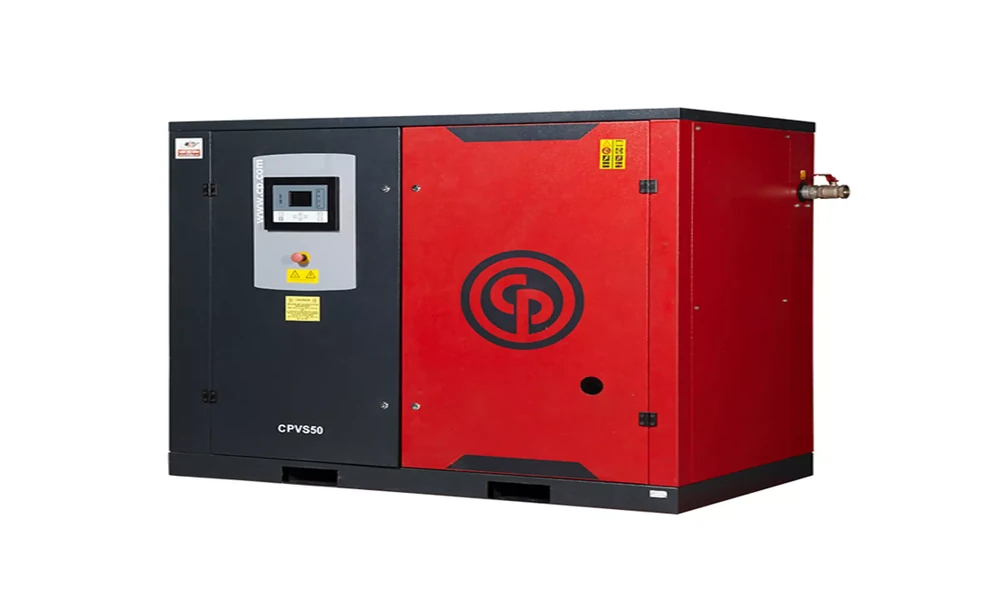
The pharmaceutical industry has witnessed considerable technological advancements over the years. When discussing the manufacturing of modern medicines, our attention generally moves towards advanced laboratories, sophisticated equipment and the scientists responsible for developing different drug formulations. However, there are several supporting systems working continuously in the background to make pharmaceutical manufacturing possible. Compressed air is one such important utility.
Compressed air is utilised across different stages of drug manufacturing, ranging from the production of bulk drugs to processes that require considerable precision for manufacturing individual tablets. Therefore, selecting an appropriate compressor becomes particularly important for pharmaceutical manufacturers.
This requirement becomes even more significant when considering the scale of pharmaceutical manufacturing in India. The country currently stands as the third-largest pharmaceutical hub globally and is also the largest exporter of generic medicines. Thus, pharmaceutical manufacturers must ensure that their compressed air systems support product quality while helping facilities fulfil the required regulatory standards.
Why Quality Is Non-Negotiable
The role of compressed air differs considerably between pharmaceutical facilities and several conventional manufacturing environments. In many factories, compressed air may primarily be utilised to operate machinery or move different components. However, in pharmaceutical production, compressed air can also function as a contact medium. This means that the air may come into direct contact with the pharmaceutical product during certain manufacturing processes.
Jet milling is an appropriate example for understanding the importance of compressed air quality. During this process, high-speed air is utilised to reduce particles into extremely fine powders. Achieving the required particle size can be important for allowing the drug to be absorbed appropriately by the human body.
However, if the compressed air contains traces of oil, bacteria or other unwanted contaminants, the quality of the entire pharmaceutical batch can potentially be affected. Hence, air purity cannot be considered merely an equipment-related requirement.
Approximately 77 percent of pharmaceutical exports from India consist of drug formulations and biologicals. A contaminated batch can consequently result in production losses, financial implications and potential concerns regarding compliance with regulatory organisations such as the US FDA. Therefore, pharmaceutical facilities must pay considerable attention to the quality of compressed air used throughout their manufacturing processes.
Finding the Right Setup
Selecting a compressor for pharmaceutical manufacturing requires engineers to maintain an appropriate balance between air purity and production requirements. The compressed air system must be capable of delivering the required performance without unnecessarily increasing the possibility of contamination.
The Class 0 Standard
Oil contamination represents an important concern when compressed air comes into contact with pharmaceutical products. Conventional oil-injected screw compressors can be used together with filtration equipment to remove oil from compressed air. However, relying on filtration means that manufacturers must also consider the possibility of filter-related problems.
Class 0 oil-free compressed air provides an alternative approach. As oil is not introduced into the compression process, the possibility of compressor oil reaching pharmaceutical products through the compressed air supply is eliminated. Therefore, Class 0 oil-free air can help pharmaceutical manufacturers meet the strict cleanliness requirements associated with cGMP manufacturing environments.
Power for Milling
Maintaining air purity is essential, but pharmaceutical manufacturers must simultaneously ensure that the compressor can provide the pressure required by the production process.
Jet milling, for instance, depends on high-speed compressed air and consequently requires an appropriate level of pressure. Water-injected screw compressors can be considered for such applications. These compressors can provide pressure of up to 13 bar while using water instead of oil as a lubricant.
This arrangement allows the compressor to maintain oil-free operation while simultaneously controlling temperatures during compression. Thus, manufacturers can fulfil the pressure requirements of processes such as milling without compromising their need for oil-free compressed air.
Smart Energy Management With VSD
Compressed air demand within a pharmaceutical facility does not necessarily remain constant throughout the day. A facility may conduct milling operations for several hours before moving to cleaning, packaging or other activities where the requirement for compressed air can change considerably.
A conventional compressor operating continuously at full capacity during periods of lower demand may consume more energy than required. Variable Speed Drive, commonly known as VSD technology, provides manufacturers with a method of addressing this concern.
A VSD compressor adjusts its operating speed according to the actual compressed air requirement. When demand increases, the compressor can increase its output. Similarly, it can reduce output when the requirement decreases. Therefore, pharmaceutical facilities can maintain the required air supply without continuously operating the compressor at maximum capacity.
Looking at the Whole Picture
Selecting an appropriate compressor is only one aspect of establishing a reliable compressed air system for pharmaceutical manufacturing. Manufacturers must also consider how the air will be treated, monitored and supplied to different production areas.
Process filtration helps remove dust, microorganisms and other contaminants that may enter from the surrounding atmosphere. Moisture control is equally important because excessive moisture can negatively affect pharmaceutical quality. Therefore, suitable dryers are required to maintain the desired level of air dryness.
Moreover, smart monitoring systems can continuously observe compressed air conditions and system performance. Identifying potential concerns at an early stage provides operators with an opportunity to take corrective action before they result in major production interruptions.
The Reality
As India continues to maintain its position as an important pharmaceutical manufacturing and export hub, the technologies supporting medicine production must also evolve according to modern quality requirements.
Clean and efficient compressed air is consequently more than a supporting utility. The selection of Class 0 oil-free compressed air, suitable filtration and drying equipment, VSD technology and appropriate monitoring systems can contribute towards reliable pharmaceutical production.
Ultimately, maintaining compressed air quality is closely associated with maintaining the quality of the medicine being manufactured. Therefore, investing in an appropriate compressed air system helps pharmaceutical manufacturers protect their production processes, fulfil regulatory expectations and maintain the confidence of patients and markets around the world.