

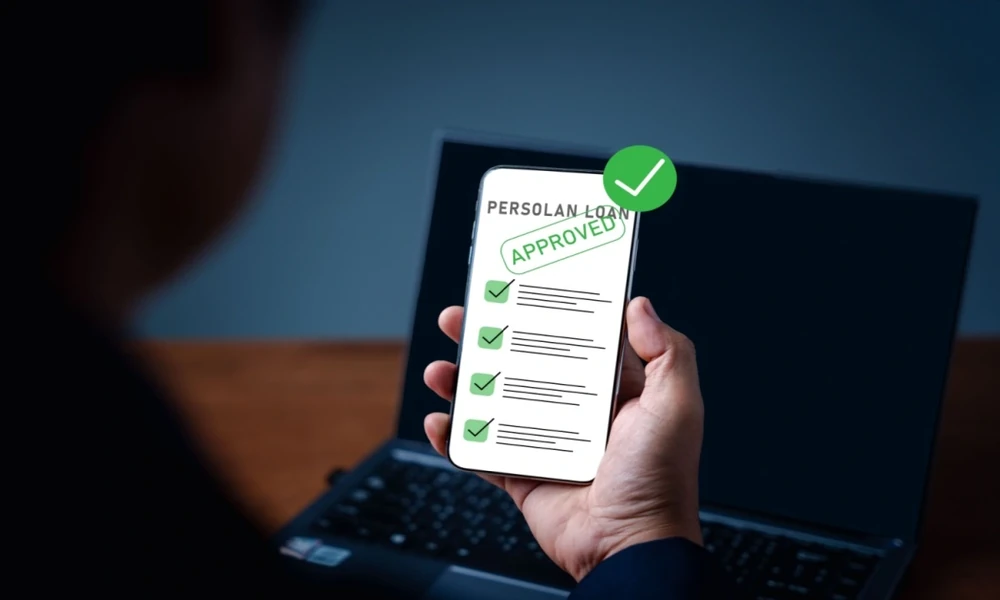
A small loan app may appear suitable when a borrower needs a limited amount for an urgent expense. Digital applications can reduce paperwork and allow users to submit details, complete verification, review an offer, and track repayment through a mobile device.
However, a smaller loan does not always mean a lower financial risk. Short repayment periods, high processing charges, penalties, and repeated borrowing can make a limited loan expensive.
Borrowers should evaluate the total cost, lender credibility, repayment date, and effect on monthly income before accepting any offer.
Start With the Exact Amount Required
The first step is to calculate the actual funding gap.
A borrower may need money for:
- Medical expenses
- Utility bills
- Essential repairs
- Education payments
- Emergency travel
- Temporary income delays
The amount requested should be limited to the immediate requirement.
For example, if the expense is ₹25,000 and the borrower can contribute ₹10,000 from savings, the actual requirement is ₹15,000.
Borrowing a higher amount increases interest and may make repayment more difficult.
Decide Whether Borrowing Is the Right Option
Not every shortfall requires a loan.
Before applying, borrowers can check whether the expense can be managed through:
- Emergency savings
- Payment extension
- Employer advance
- Insurance support
- Family assistance
- Reduced discretionary spending
- Instalment payment offered by the service provider
These alternatives may not be available in every situation, but reviewing them can prevent unnecessary debt.
A loan should ideally solve a temporary problem rather than support regular monthly spending.
Check Whether the Instalment Fits the Budget
A limited loan can still create repayment pressure when income is low or existing obligations are high.
Borrowers should prepare a basic monthly budget that includes:
- Take-home income
- Housing costs
- Food and utilities
- Transport expenses
- Existing EMIs
- Credit card payments
- Insurance premiums
- Family responsibilities
- Savings commitments
The new repayment should fit after essential expenses are covered.
There should also be some surplus left for unexpected costs. Using the entire remaining income for one instalment can create another cash shortage.
Compare the Total Repayment Amount
Borrowers should not compare offers only by looking at the amount received.
The full cost may include:
- Interest
- Processing charges
- Applicable taxes
- Documentation fees
- Verification charges
- Late-payment penalties
- Failed debit charges
- Early closure fees
The borrower should ask for the following figures in writing:
- Sanctioned amount
- Net amount credited
- Monthly instalment
- Number of instalments
- Total interest
- Total amount repayable
A small principal can become expensive when charges form a large percentage of the amount borrowed.
Understand Short Repayment Tenures
Many limited-value loans have shorter repayment periods.
A short tenure may reduce the duration of debt but increase the monthly instalment.
Borrowers should check:
- First due date
- Number of repayments
- Instalment amount
- Frequency of payment
- Whether the tenure can be changed
- Whether early closure is permitted
The repayment date should ideally match the borrower’s salary or income cycle.
A due date before regular income is received can increase the possibility of a failed payment.
Verify the Lender’s Identity
A mobile platform may not be the institution providing the funds.
The application may act as an intermediary while a separate regulated lender approves and disburses the loan.
Borrowers should confirm:
- Legal lender name
- Official website
- Registration details
- Agreement issuer
- Customer support contact
- Grievance redressal channel
- Repayment account information
The lender should be clearly identified before the borrower uploads identity or financial documents.
Applications that promise guaranteed approval or request advance payment should be avoided.
Read the Key Fact Statement
The key fact statement summarises the main borrowing conditions.
It should explain:
- Approved amount
- Interest rate
- Annual percentage rate
- Processing charges
- Repayment tenure
- Instalment amount
- Penalty conditions
- Total repayment
Borrowers should save a copy before accepting the offer.
Any difference between the promotional screen and the formal document should be clarified before digital consent is given.
Examine Interest Rate Presentation
The rate may be displayed daily, monthly, or annually.
A daily or monthly percentage may appear small, but it can represent a high annual borrowing cost.
Borrowers should ask:
- Is the rate annualised?
- Is interest calculated on the reducing balance?
- What is the annual percentage rate?
- Are fees included in the displayed cost?
- Does the rate remain fixed?
Comparing annual costs makes it easier to evaluate multiple offers on the same basis.
Check the Net Disbursal
The sanctioned amount offered through a small loan app may differ from the amount transferred to the borrower’s bank account. A lender may deduct processing fees, taxes, or other disclosed charges before disbursal.
For example, a borrower approved for ₹20,000 may receive a lower amount after deductions, while the repayment obligation may still be calculated on the sanctioned amount. Therefore, the borrower should confirm whether the net disbursed amount is sufficient for the intended expense.
Review Eligibility Before Applying
Eligibility may depend on:
- Age
- Monthly income
- Employment status
- Location
- Bank account history
- Existing debt
- Credit record
Borrowers should check the basic criteria before submitting an application.
Submitting requests to several lenders within a short period may result in multiple credit enquiries. This can affect the borrower’s credit profile.
Applications should be made selectively after comparing requirements.
Protect Personal Information
Digital lenders may request identity details, bank statements, income records, and device permissions.
Borrowers should review whether the requested information is necessary.
They should be cautious when access is requested to:
- Contacts
- Messages
- Call records
- Photos
- Device storage
- Unrelated location data
The privacy policy should explain how information is collected, used, stored, and shared.
Documents should be submitted only through verified channels.
Use Strong Security Practices
A financial application should offer secure login and account controls.
Useful protections include:
- Two-factor authentication
- Device verification
- Biometric login
- Password reset controls
- Login alerts
- Automatic session timeout
Borrowers should never share one-time passwords, banking PINs, card credentials, or account passwords.
Unknown links and unofficial application files should be avoided.
Understand Late-Payment Consequences
A missed payment can create several costs.
These may include:
- Penal charges
- Additional interest
- Failed debit fees
- Collection communication
- Credit bureau reporting
- Reduced future eligibility
Borrowers should read how penalties are calculated and when a payment is treated as overdue.
Anyone expecting difficulty should contact the lender before the due date.
Ignoring repayment reminders may make the problem more difficult to resolve.
Avoid Repeated Small Borrowing
The availability of quick credit can encourage repeated applications.
A borrower may take one limited loan, repay it, and then apply again for another monthly expense. Over time, this pattern can create a dependency on short-term credit.
Before using a small loan app, borrowers should calculate their total outstanding debt, combined instalments, and remaining monthly income.
Repeated borrowing may indicate that the budget, savings plan, or income structure needs attention.
Keep a Repayment Reserve
A small reserve can help manage a temporary delay in salary or income.
Borrowers may keep one or more instalments aside for:
- Salary delay
- Medical expense
- Job transition
- Unexpected repair
- Business slowdown
The reserve should remain separate from regular spending.
Borrowers with irregular earnings may need a larger buffer.
Track Every Payment
After disbursal, borrowers should monitor the account regularly.
They should check:
- Amount credited
- Instalments paid
- Outstanding balance
- Interest charged
- Additional fees
- Next due date
Payment receipts, bank statements, and emails should be saved.
Any unexpected deduction should be reported through the lender’s official complaint process.
Complete Formal Closure
Paying the final instalment does not always complete the administrative process automatically.
Borrowers should obtain:
- Final account statement
- No-dues certificate
- Closure letter
- Debit mandate cancellation confirmation
- Updated credit record
These documents provide proof that no amount remains outstanding.
Before choosing a Loan App Online, borrowers should also review how account closure, complaint handling, document access, and repayment support work.
Conclusion
A small borrowing requirement should be handled with the same care as a larger loan. Borrowers need to check affordability, total cost, lender identity, repayment timing, privacy permissions, and penalties before accepting an offer.
The amount should be limited to the actual need, and the repayment plan should fit within monthly income without affecting essential expenses.
A suitable small loan should solve a temporary financial gap without creating repeated borrowing or long-term repayment stress.
Frequently Asked Questions
1. Are small-value loans always cheaper?
No. Processing charges and short repayment periods can make the effective borrowing cost high.
2. Can a borrower receive less than the approved amount?
Yes. Disclosed fees and taxes may be deducted before disbursal.
3. Does a small loan affect the credit report?
It may, depending on lender reporting and repayment behaviour.
4. Can the repayment tenure be extended?
This depends on the lender’s policy and may involve additional charges.
5. What should borrowers collect after final repayment?
They should obtain a no-dues certificate, closure confirmation, final statement, and updated credit account status.